

The fascinating history of gambling how it evolved through the ages
The fascinating history of gambling how it evolved through the ages
The Origins of Gambling
The history of gambling dates back thousands of years, with evidence of gaming activities found in ancient civilizations such as China, Egypt, and Greece. The earliest known form of gambling involves a simple six-sided die, which was used around 3000 BC. These ancient games often served not only as entertainment but also as a means of divination and decision-making, indicating that gambling has always been intertwined with cultural and spiritual beliefs. Today, you can find the best bitcoin sports betting sites online, reflecting the evolution of this timeless practice.

As societies evolved, so did the complexity of gambling activities. The ancient Romans introduced various betting games, including chariot races and gladiatorial contests. These public events attracted large crowds, creating a bustling betting environment that would lay the groundwork for modern gambling practices. The communal aspects of these events highlight how gambling has always been a social activity, facilitating interaction among community members.
The Rise of Formalized Gambling
By the Middle Ages, gambling had become a well-established part of society. The introduction of card games in Europe further popularized gambling, leading to the creation of dedicated gaming houses and casinos. The first official gambling house opened in Venice in 1638, marking the beginning of a new era where gambling became regulated and organized. This formalization allowed for better oversight and increased public interest.
During this time, various forms of gambling emerged, including lotteries and betting on sports. These activities were often used to raise funds for public projects, indicating the dual role of gambling as both a source of entertainment and a means of generating revenue. By the 18th century, gambling had integrated itself into the fabric of society, often seen as a leisurely pastime among the upper classes.
The Advent of Modern Gambling
The 20th century marked a significant transformation in the gambling landscape, primarily due to technological advancements and changes in legislation. The establishment of Las Vegas as a gambling hub in the 1930s popularized casinos and resort-style gambling, attracting millions of visitors from around the globe. This period saw the emergence of sophisticated gaming machines and table games, further enriching the gambling experience.
Simultaneously, various forms of betting, such as sports wagering, became more accessible. The introduction of online gambling in the late 1990s revolutionized the industry, allowing players to bet from the comfort of their homes. This shift not only expanded the audience for gambling but also introduced new technologies, such as mobile betting apps, which continue to evolve today.
Gambling in the Digital Age
The last two decades have witnessed an explosion in the popularity of online gambling, driven by advancements in technology and the widespread use of the internet. Online casinos, poker rooms, and sports betting platforms have made gambling more accessible than ever before. With a few clicks, players can participate in a variety of games, often with innovative features that enhance the user experience.
As the digital landscape grows, regulations surrounding online gambling are also evolving, aiming to ensure player safety and responsible gambling practices. This modern era has also seen the rise of cryptocurrency betting, providing anonymity and quick transactions for users. As gambling continues to integrate with technology, it promises to undergo further changes that will shape its future.
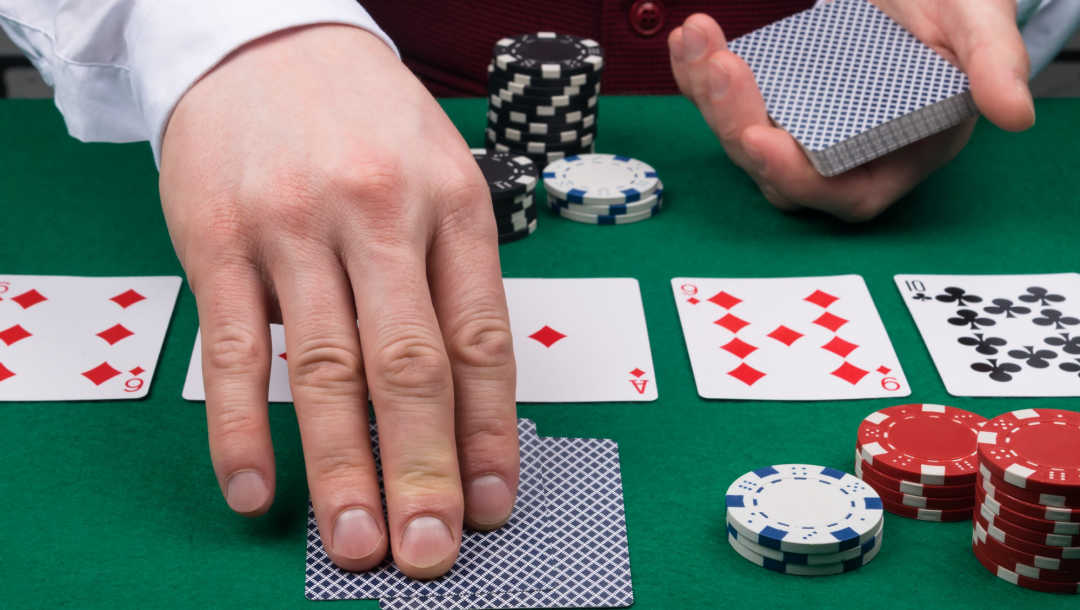
Your Guide to Modern Gambling Resources
For those looking to navigate the contemporary gambling landscape, reliable resources are essential. There are numerous platforms available that offer expert reviews of online casinos, sportsbooks, and gaming sites. These resources focus on crucial aspects such as security, user experience, and the variety of games offered, ensuring that players can make informed choices.
Whether you’re a seasoned gambler or just starting, understanding the history and evolution of gambling can enhance your overall experience. With a wealth of information readily accessible, bettors can engage in responsible gaming while enjoying the thrill of chance. The evolution of gambling continues, promising new adventures for both casual players and serious bettors alike.
The evolution of gambling tracing its historical roots and transformations
The evolution of gambling tracing its historical roots and transformations
The Origins of Gambling
The history of gambling can be traced back to ancient civilizations, where evidence suggests that games of chance were an integral part of social life. Archaeological findings indicate that the Chinese played a form of lottery as early as 200 BC, while ancient Roman soldiers engaged in betting on the outcome of games during their downtime. These early forms of gambling were often linked to religious or ceremonial practices, reflecting the cultural significance of games of chance. For those interested in maximizing their chances, some may consider playing slots real money for a thrilling experience.
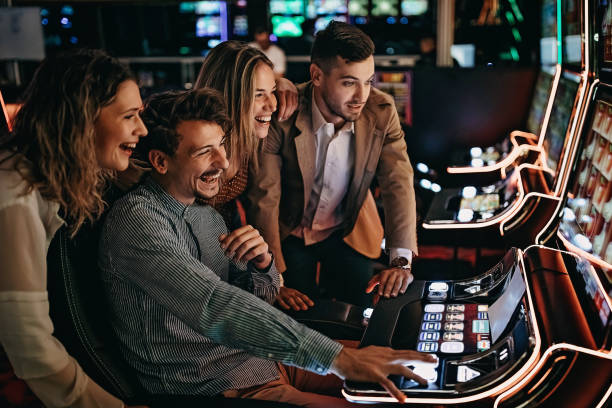
As societies evolved, so did the methods and practices associated with gambling. In ancient Greece, betting on athletic competitions was common, and the Romans took it a step further by establishing public gaming houses. These developments laid the groundwork for structured gambling, where rules and formats began to emerge, highlighting the inherent human attraction to risk and reward.
The Rise of Casinos
The formal establishment of casinos began in the 17th century in Italy with venues like the Casino di Venezia. These establishments became popular social hubs where the elite gathered to enjoy games like baccarat and roulette. The allure of the casino experience attracted not only wealthy patrons but also those seeking entertainment and the thrill of chance, leading to the proliferation of similar establishments across Europe.
By the 19th century, casinos had spread to France and beyond, with the Monte Carlo Casino becoming a symbol of luxury and sophistication. The introduction of various games and the evolution of betting systems contributed to the growth of casino culture, transforming gambling from a secluded pastime into a mainstream entertainment option.
The Impact of Legislation
The 20th century saw significant changes in gambling legislation around the world, particularly in the United States. The Great Depression prompted some states to legalize gambling as a means of generating revenue, leading to the establishment of Las Vegas as a gambling capital. This period marked a pivotal shift, with gambling becoming increasingly accepted and regulated, allowing for the growth of large-scale casinos.
In contrast, other regions maintained strict gambling prohibitions, leading to the rise of illegal betting operations and underground casinos. These contrasting approaches to gambling regulation highlighted societal attitudes towards risk and entertainment, ultimately shaping the modern landscape of gambling worldwide.
The Digital Transformation
The advent of the internet in the late 20th century revolutionized gambling, bringing it into the digital age. Online casinos emerged, allowing players to access a wide range of games from the comfort of their homes. This transformation democratized gambling, making it accessible to a broader audience and spawning a new wave of innovative gaming experiences.
Mobile technology further accelerated this evolution, enabling gambling to be integrated into everyday life through apps and platforms. The rise of live dealer games and virtual reality experiences continues to enhance player engagement, showcasing how technology continues to shape the future of gambling.
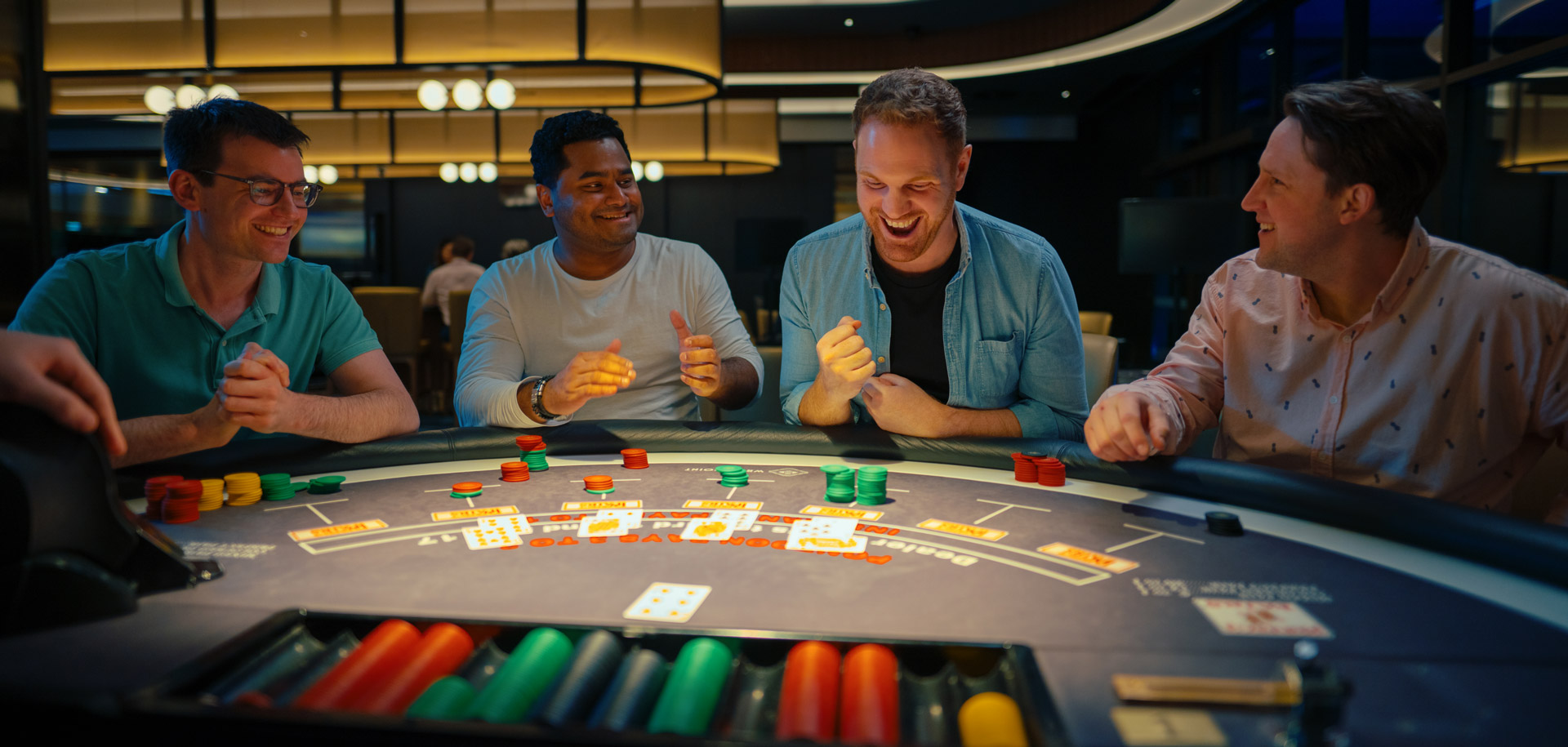
Engaging with Gaming Communities
As the gambling landscape evolves, platforms dedicated to gaming and gambling discussions have become essential for enthusiasts. These spaces provide opportunities for players to share experiences, strategies, and tips, fostering a sense of community among users. Engaging with others in these communities can lead to a deeper understanding of the games and responsible gaming practices.
Such platforms not only facilitate discussions but also serve as a resource for understanding the historical context and transformations of gambling. With a focus on responsible gaming, these communities aim to promote a safe and enjoyable gambling environment, ensuring that the excitement of gambling is balanced with awareness and caution.
The hidden psychological effects of gambling revealed
The hidden psychological effects of gambling revealed
The allure of gambling
Gambling has always held a unique allure, drawing people in with the promise of excitement and potential rewards. The thrill of placing a bet can trigger a rush of adrenaline, making individuals feel alive and engaged. This emotional high can lead to a strong attachment to gambling activities, overshadowing the potential risks involved. The initial wins often create a sense of euphoria, reinforcing the behavior and encouraging further participation, especially as many players explore online casinos for new experiences.

This cycle can distort an individual’s perception of reality, leading them to believe that they can control outcomes through skill or intuition. The illusion of control is particularly potent, as it breeds confidence, making players more likely to gamble again in the hopes of recapturing that initial thrill. Understanding these psychological dynamics is crucial for recognizing when the fun can turn into a dangerous compulsion.
The psychology of risk and reward
The brain’s response to gambling is intricately linked to the psychology of risk and reward. When individuals gamble, their brains release dopamine, a neurotransmitter associated with pleasure and reinforcement. This chemical reaction creates a feeling of satisfaction, which can quickly lead to repeated gambling behavior as the brain seeks to replicate that experience. Over time, the line between recreational gambling and addictive behavior can blur significantly.
Moreover, people often misinterpret their losses as temporary setbacks rather than definitive outcomes. This mindset encourages them to chase their losses, a phenomenon known as “loss aversion.” The more they lose, the stronger the urge to continue gambling in hopes of a turn-around. This psychological trap can be particularly damaging, leading to increased financial and emotional distress.
The impact on mental health
Gambling can have profound effects on mental health, often leading to anxiety and depression. As individuals become more entrenched in gambling habits, the pressures of financial loss and personal failures can exacerbate feelings of hopelessness and stress. The social stigma surrounding gambling addiction often prevents people from seeking help, trapping them in a vicious cycle of isolation and despair.
Additionally, the mental strain can extend beyond the gambler, affecting family and friends who may struggle to understand the compulsive behavior. The fear of judgment can lead to secrecy, worsening the mental health crisis and creating additional barriers to recovery. Recognizing these effects is essential for fostering a supportive environment for those affected.
The role of environment and accessibility
The environment in which individuals gamble plays a significant role in shaping their behaviors. With the rise of online gambling platforms, accessibility has increased dramatically, enabling players to engage in gambling activities at any time and from any place. This convenience can further entrench addictive patterns, as the barriers to entry are significantly lowered.
Moreover, targeted marketing strategies often appeal to vulnerable individuals, exploiting their desires for quick rewards. This creates a potentially dangerous feedback loop where the excitement of gambling is consistently reinforced by easy access and persuasive advertisements. Understanding the impact of these external factors is crucial in developing strategies for healthier gambling habits.
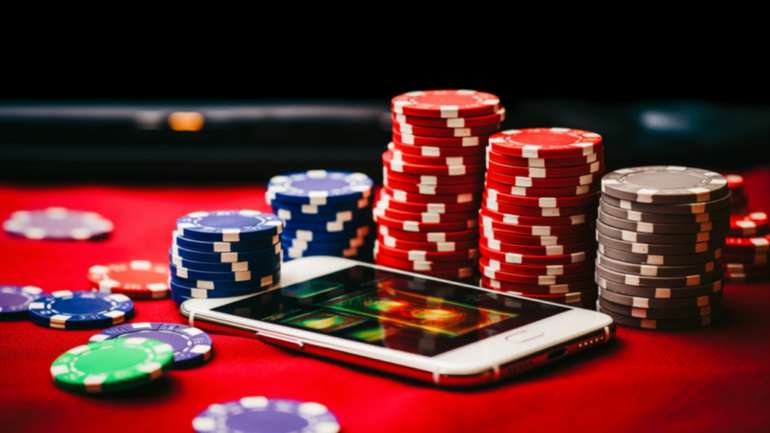
Exploring responsible gambling resources
For individuals seeking to navigate the complex landscape of gambling, resources and support are available to promote responsible behavior. Websites and organizations dedicated to gambling education provide valuable information on recognizing the signs of problem gambling and offer strategies for maintaining control. These resources can empower individuals to make informed decisions about their gambling activities.
Additionally, finding communities that prioritize safe gambling can help reduce feelings of isolation and promote healthier habits. Engaging with others who share similar experiences can foster understanding and support, ultimately contributing to a more balanced approach to gambling. Taking advantage of these resources is a proactive step toward enjoying gambling as a form of entertainment rather than a source of distress.
Casino omgangsvormen wat je moet weten voordat je gaat spelen
Casino omgangsvormen wat je moet weten voordat je gaat spelen
Inleiding tot casino omgangsvormen
Voordat je aan het spelen gaat in een casino, is het belangrijk om de basis van de omgangsvormen te begrijpen. Dit helpt niet alleen om je zelfvertrouwen te vergroten, maar zorgt er ook voor dat je een plezierige ervaring hebt. Elk casino heeft zijn eigen etiquette en gedragsregels die je in acht moet nemen, zowel voor jezelf als voor andere spelers. Het is ook nuttig om te weten dat je bij het kiezen van een casino altijd kunt kijken naar opties zoals top casino nederland zonder beste.
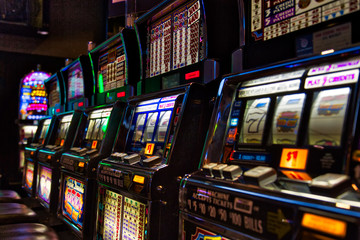
Omgangsvormen zijn niet alleen een kwestie van beleefdheid; ze beïnvloeden ook de sfeer in het casino. Wanneer iedereen zich aan deze gedragsregels houdt, creëert dit een respectvolle en gezellige omgeving waarin spelers zich vrij voelen om te genieten van hun spellen.
De basis van etiquette aan de speeltafels
Bij het spelen aan de speeltafels, zoals blackjack of roulette, is er specifieke etiquette die je moet volgen. Bijvoorbeeld, wacht altijd tot de dealer je kaart of fiches heeft gegeven voordat je actie onderneemt. Dit voorkomt verwarring en zorgt ervoor dat het spel soepel verloopt.
Omgaan met geld en inzetten
Een essentieel onderdeel van de casino ervaring is het beheren van je geld. Het is raadzaam om vooraf een budget vast te stellen en je hieraan te houden. Dit helpt om financiële problemen te voorkomen en zorgt ervoor dat je het gokken leuk blijft vinden. Denk goed na over je inzetten en houd rekening met je budget, zodat je het spel ook werkelijk kunt blijven genieten.
Wees bewust van hoe je inzet en pas je speelstijl aan op basis van je budget. Overweeg ook om niet meer in te zetten dan je kunt verliezen. Dit is een belangrijke les voor elke speler, vooral voor beginners die de spanning van het spel nog aan het ontdekken zijn.
Sociale interactie in het casino
Casino’s zijn sociale plekken waar interactie met andere spelers en dealers een groot deel van de ervaring uitmaakt. Het is gebruikelijk om een gesprek aan te knopen met andere spelers, maar houd het gesprek vriendelijk en respectvol. Vermijd zware onderwerpen en focus op de leuke aspecten van het spel.
Daarnaast is het gebruikelijk om de dealer te complimenteren of te bedanken voor hun werk, vooral als ze je goed hebben geholpen. Dit bevordert een positieve sfeer en kan je helpen om meer plezier te hebben tijdens het spelen.

Mediatijd.nl: jouw bron voor casino informatie
Mediatijd.nl biedt uitgebreide informatie over casino’s en de verschillende omgangsvormen die erbij komen kijken. Het platform is ontworpen om spelers te helpen bij het navigeren door de wereld van gokken, zodat je goed voorbereid aan je avontuur kunt beginnen.
Door gebruik te maken van de bronnen op Mediatijd.nl, kun je meer leren over de spelregels, strategieën en etiquette in het casino. Dit helpt niet alleen je spel te verbeteren, maar ook om een positieve en respectvolle omgeving te creëren voor jezelf en anderen.
“`
How technology reshapes the future of gambling experiences
How technology reshapes the future of gambling experiences
Innovative Game Design and Interactive Features
The future of gambling experiences is being significantly transformed by innovative game design, driven by technological advancements. Game developers are now able to create visually stunning graphics and immersive environments, which enhance player engagement. By incorporating rich animations and dynamic soundscapes, these games not only attract players but also provide them with an experience akin to being in a real casino. As players seek out the best online casinos, the demand for these features continues to grow.

Furthermore, the integration of interactive features allows players to engage with games in new and exciting ways. This includes live dealer options, where players can interact with real dealers in real-time through video streaming. Such technologies create a more social atmosphere, replicating the communal experience of traditional gambling establishments, thus appealing to a broader audience.
Mobile Gaming and Accessibility
The rise of mobile gaming is another critical factor reshaping the gambling landscape. With smartphones and tablets becoming increasingly ubiquitous, players can access their favorite games anywhere and anytime. This convenience has led to a surge in mobile gambling, allowing operators to reach a wider audience and cater to the preferences of younger demographics who favor on-the-go gaming experiences.
Moreover, mobile applications are designed to offer seamless navigation and a user-friendly interface, enhancing the overall user experience. Features such as instant deposits and withdrawals further contribute to player satisfaction, making mobile gambling an attractive option for many. This trend shows no signs of slowing down, as technology continues to evolve and improve accessibility.
Artificial Intelligence and Personalized Gaming
Artificial intelligence (AI) is playing a pivotal role in transforming gambling experiences by enabling personalized gaming options. AI algorithms can analyze player behavior and preferences, allowing operators to tailor promotions and game suggestions to individual users. This level of personalization not only improves player satisfaction but also increases loyalty and retention rates.
Additionally, AI can enhance security measures within online gambling platforms. By utilizing machine learning, operators can detect unusual betting patterns, helping to identify and prevent fraud. This not only protects the operators but also ensures a safe environment for players, fostering trust and encouraging engagement.
Virtual Reality and Immersive Experiences
Virtual reality (VR) technology is set to revolutionize the gambling industry by providing fully immersive experiences. Players can don VR headsets and enter virtual casinos where they can engage in games as if they were physically present. This technological advancement allows for a more interactive and sensory-rich gambling experience, thus attracting a new generation of players.
The potential for VR in gambling extends beyond just traditional games. Developers are exploring innovative ways to integrate social aspects, such as virtual poker tournaments or blackjack tables, where players can interact with each other. As VR technology becomes more accessible, it is likely to transform the gambling landscape into a more engaging and vibrant space.

About Our Platform
This website aims to serve as a comprehensive online hub for gamers and gambling enthusiasts, offering a wealth of resources and engaging content. By focusing on the latest technologies and trends in the gambling industry, we strive to provide valuable insights and an enjoyable experience for our users. Our goal is to ensure that visitors can explore the evolving landscape of gambling in a secure and interactive environment.
In light of increasing security measures, we are dedicated to maintaining an accessible platform while safeguarding our users. If any access issues arise, we provide clear guidance on how to resolve them, ensuring a seamless experience. Join us to explore the future of gambling and embrace the innovations that technology has to offer.
Qazanc üçün kazino strategiyaları Uğurun sirrləri
Qazanc üçün kazino strategiyaları Uğurun sirrləri
Kazino oyunlarını anlamaq
Kazino oyunlarına başlamazdan əvvəl, onların qaydalarını və mexanizmini tam olaraq başa düşmək vacibdir. Oyunların hər birinin özünəməxsus strategiyaları və taktikaları var. Məsələn, rulet, poker və slot maşınları fərqli yanaşmalar tələb edir. Hər bir oyun üçün uğurlu strategiya inkişaf etdirmək üçün mostbet onun qaydalarını yaxşıca öyrənməli və praktikada test etməlisiniz.

Oyunların ehtimal hesabını anlamaq, daha müvəffəqiyyətli olmağınıza kömək edəcək. Ehtimal anlayışı, hər bir oyun nəticəsinin mümkünlüyünü dəyərləndirmək üçün vacibdir. Bu, sizin daha məlumatlı qərarlar verməyinizə və qazancınızı artırmağınıza səbəb olacaq.
Maliyyə idarəetməsi strategiyaları
Maliyyə idarəetməsi kazino oyunlarında uğur qazanmağın əsasını təşkil edir. Büdcənizi düzgün planlamaq, itkilərinizi minimuma endirmək və qazancınızı qorumaq üçün əhəmiyyətlidir. Hər zaman müəyyən bir məbləği itirməyə hazır olduğunuzu bilməlisiniz və bu limitə riayət etməlisiniz. Oyun zamanı xərclərinizi izləmək və vaxtında dayandırmaq çox önəmlidir.
Bu, impulsiv qərarların qarşısını alacaq və sizi daha disiplinli edəcək. Beləliklə, uzun müddətdə daha müvəffəqiyyətli olma şansınızı artırmış olarsınız.
Strategiya və taktikaların inkişafı
Uğurlu kazino oyunçuları, öz strategiyalarını inkişaf etdirmək üçün mütəmadi olaraq təcrübə aparırlar. Bu, öz oyun stilinizi müəyyən etməyə və ona uyğun taktikalar yaratmağa imkan tanıyır. Məsələn, poker oyununda bluffing strategiyası və opponentlərinizi oxumaq qabiliyyəti, sizi digər oyunçulardan fərqləndirə bilər.
Oyun taktikalarını sınaqdan keçirmək üçün dostlarla və ya online platformalarda təcrübə edə bilərsiniz. Bu, real oyunlarda tətbiq edəcəyiniz strategiyaları daha yaxşı başa düşməyinizə kömək edəcək. Taktikalarınizi daim yeniləyərək, müvəffəqiyyətinizi artırmaq mümkündür.
Psixologiya və oyun mühitinin təsiri
Kazino oyunlarında psixologiya mühüm rol oynayır. Oyun zamanı emosiyalarınızı idarə etmək, qərarlarınızı təsir edə bilər. Qazanc və itkilər zamanı soyuqqanlı olmağı bacarmaq, daha yaxşı nəticələr əldə etməyə kömək edir. Emosional qərarlar adətən yanlış nəticələrə gətirib çıxarır.
Kazino mühitinin təsiri də unudulmamalıdır. Rəngli işıqlar, musiqi və digər stimullar oyuna olan diqqətinizi yayındıra bilər. Bu səbəbdən, diqqətinizi cəmləmək və konsentrasiya saxlamaq uğur qazanmağınızda əhəmiyyətlidir.
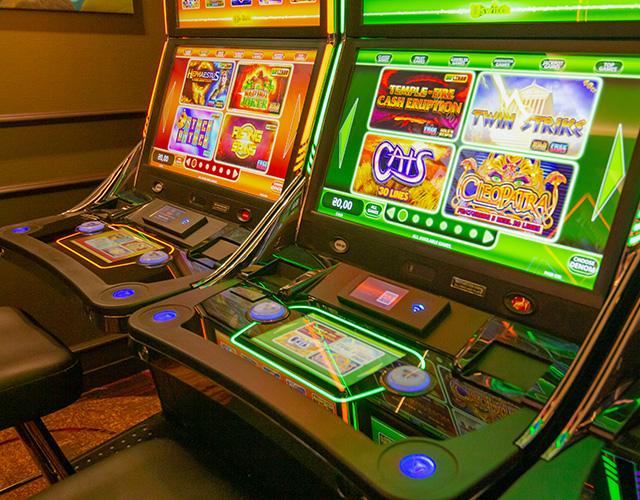
Veb saytın təqdimatı
Bu veb sayt, kazino oyunları ilə bağlı geniş məlumat mənbəyi təqdim edir. İstifadəçilər burada kazino strategiyaları, maliyyə idarəetməsi və psixoloji yanaşmalarla bağlı ətraflı məlumat əldə edə bilərlər. Saytın məqsədi, istifadəçilərə oyunlarda müvəffəqiyyət qazanmaqları üçün lazım olan bilikləri təqdim etməkdir.
Rahat və intuitiv interfeysi sayəsində, axtardığınız məlumatları asanlıqla tapa bilərsiniz. Geniş məlumat bazası ilə, öz strategiyalarınızı inkişaf etdirmək və oyunlarda daha uğurlu olmaq üçün ideal bir platformadır.
Coronavirus disease 2019
Coronavirus disease 2019
COVID-19 is a contagious disease caused by the coronavirus SARS-CoV-2. In January 2020, the disease spread worldwide, resulting in the COVID-19 pandemic.
The symptoms of COVID‑19 can vary but often include fever,[7] fatigue, cough, breathing difficulties, loss of smell, and loss of taste.[8][9][10] Symptoms may begin one to fourteen days after exposure to the virus. At least a third of people who are infected do not develop noticeable symptoms.[11][12] Of those who develop symptoms noticeable enough to be classified as patients, most (81%) develop mild to moderate symptoms (up to mild pneumonia), while 14% develop severe symptoms (dyspnea, hypoxia, or more than 50% lung involvement on imaging), and 5% develop critical symptoms (respiratory failure, shock, or multiorgan dysfunction).[13] Older people have a higher risk of developing severe symptoms. Some complications result in death. Some people continue to experience a range of effects (long COVID) for months or years after infection, and damage to organs has been observed.[14] Multi-year studies on the long-term effects are ongoing.[15]
COVID‑19 transmission occurs when infectious particles are breathed in or come into contact with the eyes, nose, or mouth. The risk is highest when people are in close proximity, but small airborne particles containing the virus can remain suspended in the air and travel over longer distances, particularly indoors. Transmission can also occur when people touch their eyes, nose, or mouth after touching surfaces or objects that have been contaminated by the virus. People remain contagious for up to 20 days and can spread the virus even if they do not develop symptoms.[16]
Testing methods for COVID-19 to detect the virus’s nucleic acid include real-time reverse transcription polymerase chain reaction (RT‑PCR),[17][18] transcription-mediated amplification,[17][18][19] and reverse transcription loop-mediated isothermal amplification (RT‑LAMP)[17][18] from a nasopharyngeal swab.[20]
Several COVID-19 vaccines have been approved and distributed in various countries, many of which have initiated mass vaccination campaigns. Other preventive measures include physical or social distancing, quarantining, ventilation of indoor spaces, use of face masks or coverings in public, covering coughs and sneezes, hand washing, and keeping unwashed hands away from the face. While drugs have been developed to inhibit the virus, the primary treatment is still symptomatic, managing the disease through supportive care, isolation, and experimental measures.
- « Previous
- 1
- …
- 32
- 33
- 34