

Understanding the psychology behind gambling behavior in casinos
Understanding the psychology behind gambling behavior in casinos
The Allure of Gambling Environments
Casinos are meticulously designed to create an immersive experience that captivates visitors. The architecture, lighting, and soundscapes are tailored to elicit excitement and prolong engagement. Soft lighting, vivid colors, and strategically placed sound effects create a sensory overload that encourages players to stay longer and gamble more. This carefully crafted environment manipulates perceptions of time and space, leading individuals to lose track of their surroundings. Many find themselves enticed by games like monopoly live, which adds an interactive element to the experience.
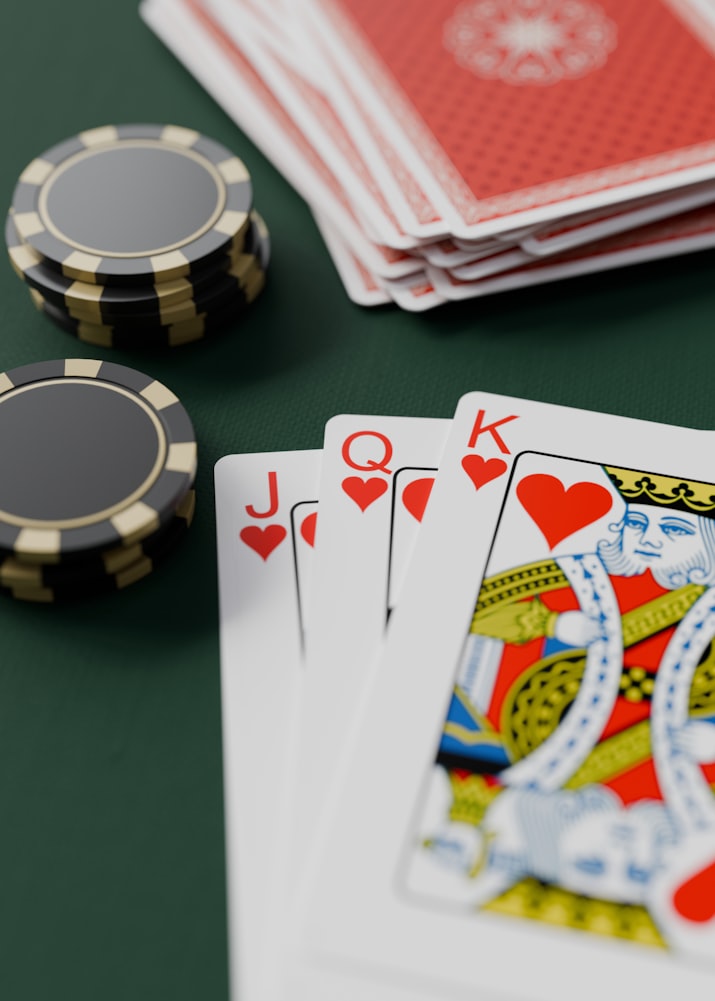
Moreover, the absence of clocks and windows further enhances this disorientation. Players often feel a compulsion to continue gambling, driven by the thrill of potential rewards. This design strategy taps into psychological principles that suggest people are more likely to engage in risky behavior when they feel enveloped in an exciting atmosphere.
The Role of Reward Mechanisms
The psychology of gambling is heavily influenced by reward mechanisms that trigger the brain’s pleasure centers. Winning—even small amounts—can lead to a release of dopamine, reinforcing the behavior and compelling players to chase that euphoric feeling. This phenomenon is akin to addiction, where the anticipation of a reward becomes increasingly enticing. Understanding the dynamics behind casino experiences can enhance insights into strategy and enjoyment.
The use of variable reinforcement schedules, where wins are unpredictable, further intensifies this behavior. Players are more motivated when they are unsure when they might win again. This unpredictability keeps them engaged, often leading to extended gambling sessions and increased expenditures.
Social Dynamics in Casino Settings
Social interaction plays a significant role in gambling behavior. Casinos often facilitate a sense of community, where players share experiences, celebrate wins, and commiserate over losses. This social aspect can enhance the enjoyment of gambling, leading individuals to spend more time and money in pursuit of both social connection and financial gain.
Furthermore, high-stakes environments attract groups of friends or business associates, creating a social pressure to participate. The need for acceptance or a desire to impress peers can lead to decisions that may not align with one’s financial situation or gambling habits, reinforcing the cycle of behavior.
The Influence of Personal Psychology
Individual differences in personality and psychological resilience also significantly influence gambling behavior. Some individuals may possess an innate risk-seeking tendency, making them more susceptible to engaging in gambling activities. Factors such as self-esteem, stress levels, and coping mechanisms can also dictate how individuals respond to wins and losses.
Additionally, those with low impulse control may find themselves drawn into high-stakes gambling, where the potential for large wins can overshadow rational decision-making. Understanding these psychological traits can provide insights into why certain individuals may develop problematic gambling behaviors compared to others.

Exploring More on Gambling Psychology
For those interested in delving deeper into the psychology behind gambling behaviors in casinos, various resources are available. Educational platforms and research studies offer insights into the intricate mental and emotional processes that drive individuals to engage in gambling activities.
Understanding these psychological dynamics can not only enhance personal awareness but also contribute to responsible gambling practices. Engaging with informed communities can foster a healthier approach to gambling, emphasizing enjoyment rather than risk. Explore more on this topic through credible sources and expert analyses to better navigate the complex world of gambling.
