

The evolution of gambling tracing its historical roots and transformations
The evolution of gambling tracing its historical roots and transformations
The Origins of Gambling
The history of gambling can be traced back to ancient civilizations, where evidence suggests that games of chance were an integral part of social life. Archaeological findings indicate that the Chinese played a form of lottery as early as 200 BC, while ancient Roman soldiers engaged in betting on the outcome of games during their downtime. These early forms of gambling were often linked to religious or ceremonial practices, reflecting the cultural significance of games of chance. For those interested in maximizing their chances, some may consider playing slots real money for a thrilling experience.

As societies evolved, so did the methods and practices associated with gambling. In ancient Greece, betting on athletic competitions was common, and the Romans took it a step further by establishing public gaming houses. These developments laid the groundwork for structured gambling, where rules and formats began to emerge, highlighting the inherent human attraction to risk and reward.
The Rise of Casinos
The formal establishment of casinos began in the 17th century in Italy with venues like the Casino di Venezia. These establishments became popular social hubs where the elite gathered to enjoy games like baccarat and roulette. The allure of the casino experience attracted not only wealthy patrons but also those seeking entertainment and the thrill of chance, leading to the proliferation of similar establishments across Europe.
By the 19th century, casinos had spread to France and beyond, with the Monte Carlo Casino becoming a symbol of luxury and sophistication. The introduction of various games and the evolution of betting systems contributed to the growth of casino culture, transforming gambling from a secluded pastime into a mainstream entertainment option.
The Impact of Legislation
The 20th century saw significant changes in gambling legislation around the world, particularly in the United States. The Great Depression prompted some states to legalize gambling as a means of generating revenue, leading to the establishment of Las Vegas as a gambling capital. This period marked a pivotal shift, with gambling becoming increasingly accepted and regulated, allowing for the growth of large-scale casinos.
In contrast, other regions maintained strict gambling prohibitions, leading to the rise of illegal betting operations and underground casinos. These contrasting approaches to gambling regulation highlighted societal attitudes towards risk and entertainment, ultimately shaping the modern landscape of gambling worldwide.
The Digital Transformation
The advent of the internet in the late 20th century revolutionized gambling, bringing it into the digital age. Online casinos emerged, allowing players to access a wide range of games from the comfort of their homes. This transformation democratized gambling, making it accessible to a broader audience and spawning a new wave of innovative gaming experiences.
Mobile technology further accelerated this evolution, enabling gambling to be integrated into everyday life through apps and platforms. The rise of live dealer games and virtual reality experiences continues to enhance player engagement, showcasing how technology continues to shape the future of gambling.
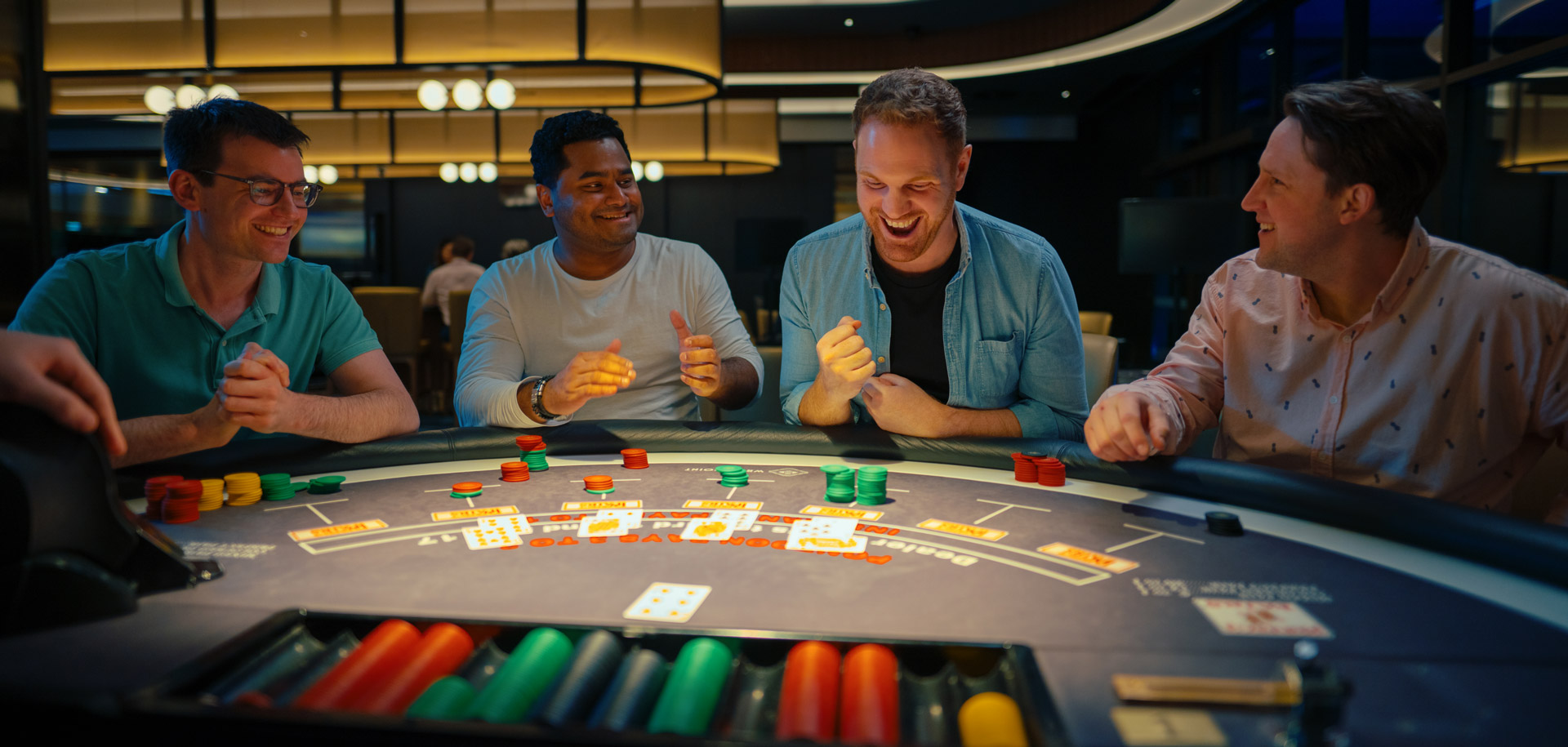
Engaging with Gaming Communities
As the gambling landscape evolves, platforms dedicated to gaming and gambling discussions have become essential for enthusiasts. These spaces provide opportunities for players to share experiences, strategies, and tips, fostering a sense of community among users. Engaging with others in these communities can lead to a deeper understanding of the games and responsible gaming practices.
Such platforms not only facilitate discussions but also serve as a resource for understanding the historical context and transformations of gambling. With a focus on responsible gaming, these communities aim to promote a safe and enjoyable gambling environment, ensuring that the excitement of gambling is balanced with awareness and caution.
